Imagine a culinary secret weapon that not only elevates your everyday cooking to gourmet levels but also helps you reduce kitchen waste and embrace sustainability. This isn't a fantasy; it's the magic of homemade vegetable stock. Far more nuanced and flavorful than its store-bought counterparts, making your own stock is a rewarding endeavor that transforms humble vegetable scraps into a liquid gold, forming the flavorful backbone of countless dishes. If you're ready to transform veggie scraps into flavorful homemade stock, you've come to the right place.
A truly rich, aromatic homemade vegetable stock is a game-changer. It imbues soups, stews, sauces, and grains with a depth of flavor that is simply unattainable with water alone. Beyond its culinary prowess, it's an incredibly eco-friendly practice. By utilizing parts of vegetables that might otherwise end up in the bin – think onion peels, carrot ends, or herb stems – you're giving them a second life and extracting every last drop of goodness. This comprehensive guide will walk you through the best vegetables to use, those to avoid, and essential tips for brewing the most delicious, umami-rich stock you've ever tasted.
The Foundation: Selecting the Best Veggies for Your Stock Pot
The secret to an exceptional homemade vegetable stock lies in the careful selection of your ingredients, even if they are "scraps." A well-balanced stock combines aromatics, mild sweet notes, and earthy undertones. Here’s a detailed look at what to embrace and what to skip for optimal flavor and clarity.
The Stars of Your Stock Pot: Embrace These Scraps
These vegetables and herbs are your best friends when it comes to crafting a flavorful stock. They contribute essential aromatics, sweetness, and a pleasant savory depth:
- Onion Peels & Ends: Yellow and white onion skins are fantastic for a golden, subtly sweet stock. Red onion peels will give a darker hue but the flavor remains excellent. Don't discard the root ends either!
- Garlic Skins & Ends: All the papery skins and the firm ends of garlic cloves are packed with flavor that sweetens during the long simmer.
- Carrot Peels & Ends: Carrots contribute a natural sweetness and a lovely orange tint to your stock. The peels are often richer in nutrients and flavor than the inner flesh.
- Celery Roots, Ends & Leaves: Celery provides a classic savory backbone to any stock. The root ends, often discarded, are particularly potent, and the tender inner leaves are also excellent.
- Mushroom Stems: A powerhouse of umami! Mushroom stems, particularly from cremini or shiitake, add a deep, earthy savoriness that elevates your stock.
- Herb Stems (Parsley, Cilantro, Thyme, Rosemary): Don't toss those woody stems! They are bursting with essential oils and flavor that infuse beautifully into your stock. Wrap them in cheesecloth for easy removal if you prefer.
- Broccoli Stalks: While the florets are often the star, the dense stalks of broccoli contribute a mild, earthy green note and body. Simply chop them into smaller pieces.
- Bell Pepper Cores & Tops: The sweet bell pepper cores and the pieces around the stem can add a pleasant, subtle sweetness and aroma without overpowering the stock.
- Fennel Tops & Stalks: For a hint of delicate anise flavor and freshness, fennel fronds and the tougher outer stalks are a great addition.
- Corn Cobs: After enjoying corn on the cob, save the cobs! They impart a surprising sweetness and a unique, summery depth to your stock.
- Stems from Hardy Greens (Kale, Chard): These add an earthy, slightly bitter note that can be a welcome complexity, especially if balanced with sweeter elements.
The Avoid List: What to Skip for a Superior Stock
While the goal is to reduce waste, some vegetables are simply not suited for stock-making, as they can lead to undesirable flavors, colors, or textures:
- Potatoes & Zucchini: These are high in starch and water. Potatoes will make your stock cloudy and potentially gummy, while zucchini contributes little flavor and mostly water.
- Cruciferous Vegetables (Cauliflower, Cabbage, Brussels Sprouts): While healthy, these vegetables contain sulfurous compounds that can produce strong, pungent, and sometimes bitter flavors when simmered for a long time, overwhelming the delicate balance of your stock.
- Beet Peels & Stems: Unless you specifically desire a vibrant pink or red stock, beet scraps will drastically alter the color of your brew, making it less versatile for general cooking.
- Moldy or Rotten Scraps: This is a crucial rule! Only use scraps that are fresh or slightly tired. Any sign of mold or rot means they belong in the compost, not your stock pot, as they can introduce off-flavors or harmful bacteria.
From Scraps to Simmer: Your Step-by-Step Guide to Making Homemade Vegetable Stock
Making your own homemade vegetable stock is a remarkably straightforward process, especially when you've prepped your scraps. Here's how to turn your collected veggie treasures into a deeply flavorful broth.
1. Collect & Store Scraps
As you chop, peel, and prep vegetables throughout the week, simply toss suitable scraps into a large, freezer-safe bag or container. Keep this bag in your freezer until it's about half full, or you've accumulated roughly 1 to 2 pints of scraps. Freezing prevents the scraps from spoiling and locks in their freshness until you're ready to cook.
2. Prep for the Pot
When your freezer bag is sufficiently full, empty the frozen or thawed scraps directly into a large, heavy-bottomed pot or Dutch oven. No need to chop them further unless some pieces are exceptionally large.
3. Hydrate & Harmonize
Cover the vegetable scraps with cold water – just enough to submerge them completely, typically 5 to 6 cups for a half-full bag of scraps. Overfilling with water is a common mistake that dilutes flavor, so be mindful of the ratio. Now is also the time to add your chosen aromatics and flavor boosters, such as a couple of bay leaves and 5-7 whole peppercorns. A pinch of salt is optional; you can always adjust seasoning later, especially if you plan to reduce the stock.
4. The Gentle Simmer
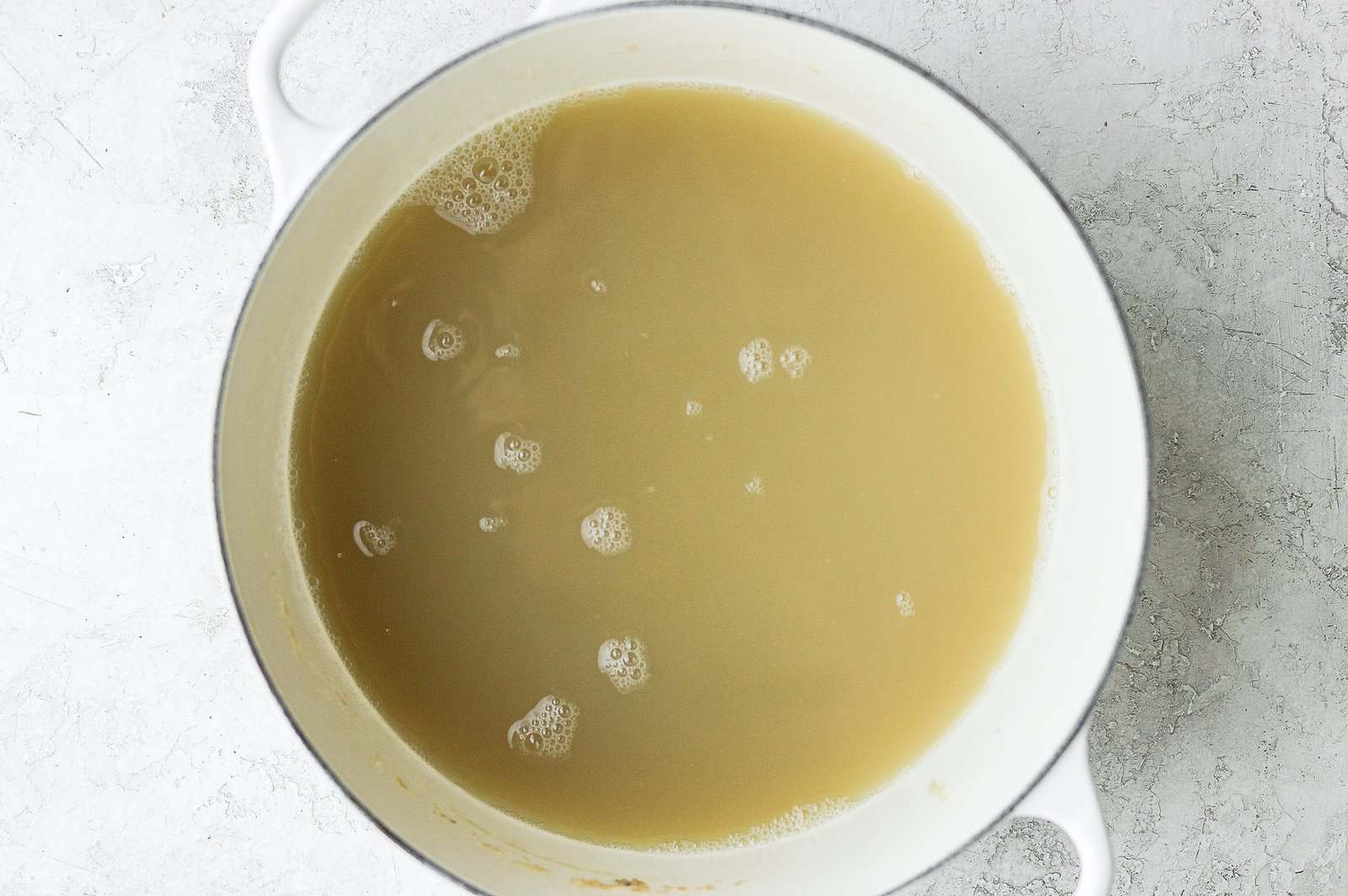
Bring the pot to a gentle simmer over medium heat. Once simmering, reduce the heat to low, cover partially, and let it cook for at least 1.5 to 2 hours, or even longer (up to 4 hours) for a truly deep, robust flavor. The goal is a gentle simmer, not a rolling boil, which can make the stock cloudy. You'll know it's ready when the kitchen is filled with a wonderful aroma, and the liquid has taken on a rich, golden color.
5. Strain & Store
Allow the stock to cool slightly. First, use tongs or a slotted spoon to remove the larger vegetable pieces. Then, carefully strain the liquid through a fine-mesh sieve set over a large bowl or another pot. For an even clearer stock, line the sieve with cheesecloth. Resist the urge to press on the solids, as this can release bitter flavors and make your stock cloudy. Discard the spent vegetables (ideally, into your compost bin!).
Mastering the Brew: Expert Tips for a Rich Homemade Vegetable Stock
Achieving a truly exceptional homemade vegetable stock goes beyond just following the steps. These expert tips will help you maximize flavor, clarity, and versatility.
Don't Overfill with Water
This cannot be stressed enough: less is often more when it comes to water. Only add enough water to cover your vegetables by an inch or two. Too much water will dilute the flavor, resulting in a thin, weak stock. A concentrated stock is always better, as you can always add water later if needed, but you can't easily add flavor back.
Be Mindful of Onion Color
While all onion peels contribute fantastic flavor, red or purple onion skins can impart a darker, reddish hue to your stock. If you prefer a clear, golden broth for aesthetic reasons (e.g., for delicate soups), stick to yellow or white onion peels. The flavor profile remains similar regardless of the onion color.
Leverage Flavor Boosters
Beyond the basic vegetable scraps, certain additions can dramatically enhance your stock's depth:
- Bay Leaves & Whole Peppercorns: These are quintessential. A couple of bay leaves add a subtle herbal note, and 5-7 whole black peppercorns introduce a gentle warmth without making the stock spicy.
- Umami Powerhouses: As mentioned, mushroom stems are excellent. For an extra layer of savory richness (and if you're not making a strictly vegan stock), consider adding a discarded Parmesan cheese rind. It provides a salty, nutty, and incredibly umami-rich depth that truly transforms the broth. Just remember to remove it before straining.
- Fresh Herbs: A sprig of fresh thyme or rosemary added during the last 30 minutes of simmering can lend a vibrant aromatic complexity.
Salt Strategically
When making stock, it's often best to add little to no salt initially. This is especially true if you plan to reduce the stock later (which concentrates salt) or use it in recipes that already contain salty ingredients. Seasoning your final dishes with unsalted stock allows for much greater control over the salt content, ensuring a perfectly balanced flavor every time.
The Cold Start Advantage
Always start your stock with cold water. This allows for a slower extraction of flavors from the vegetables as the water gradually heats, resulting in a richer, clearer stock. If you start with hot water, it can "shock" the vegetables, potentially locking in some flavors and leading to a cloudier result.
Don't Overcook or Over-Agitate
While a long simmer is good, boiling aggressively or stirring too frequently can break down the vegetables too much, releasing starches that make the stock cloudy. A gentle simmer is key to a clear, flavorful broth.
Beyond the Basics: Creative Uses and Storage
With a batch of freshly made homemade vegetable stock in hand, your culinary possibilities are endless. This versatile liquid gold is the foundation for a multitude of delicious meals.
Versatile Uses for Your Homemade Stock
- Soups & Stews: This is the most obvious use. From hearty minestrone to delicate consommés, your stock will be the star.
- Sauces & Gravies: Use it to deglaze pans, create pan sauces, or as the liquid base for a rich gravy.
- Cooking Grains: Replace water with stock when cooking rice, quinoa, couscous, or polenta for an incredible flavor boost.
- Braising: Ideal for braising vegetables, tofu, or plant-based proteins, infusing them with savory goodness.
- Risottos: Essential for a creamy, flavorful risotto.
- Steaming Vegetables: Use a splash of stock instead of water for steaming vegetables, adding an extra layer of flavor.
- Drinking: A warm mug of well-seasoned vegetable stock can be incredibly comforting and nourishing on its own.
Storage Solutions for Freshness
Once cooled, your homemade vegetable stock can be stored in several ways to prolong its shelf life:
- Refrigeration: Transfer to airtight containers and refrigerate for up to 3-4 days.
- Freezing: For longer storage, freeze the stock. Pour it into freezer-safe containers, leaving some headspace for expansion. For convenience, freeze portions in ice cube trays, then transfer the frozen cubes to a freezer bag. This allows you to grab just the amount you need. Frozen stock will last for several months.
Making your own homemade vegetable stock is more than just a recipe; it's a culinary philosophy that embraces flavor, sustainability, and mindful cooking. It transforms what might be discarded into a valuable ingredient, enriching your meals and your kitchen. So, start saving those scraps, embrace the simple process, and prepare to elevate your cooking to new, delicious heights.
