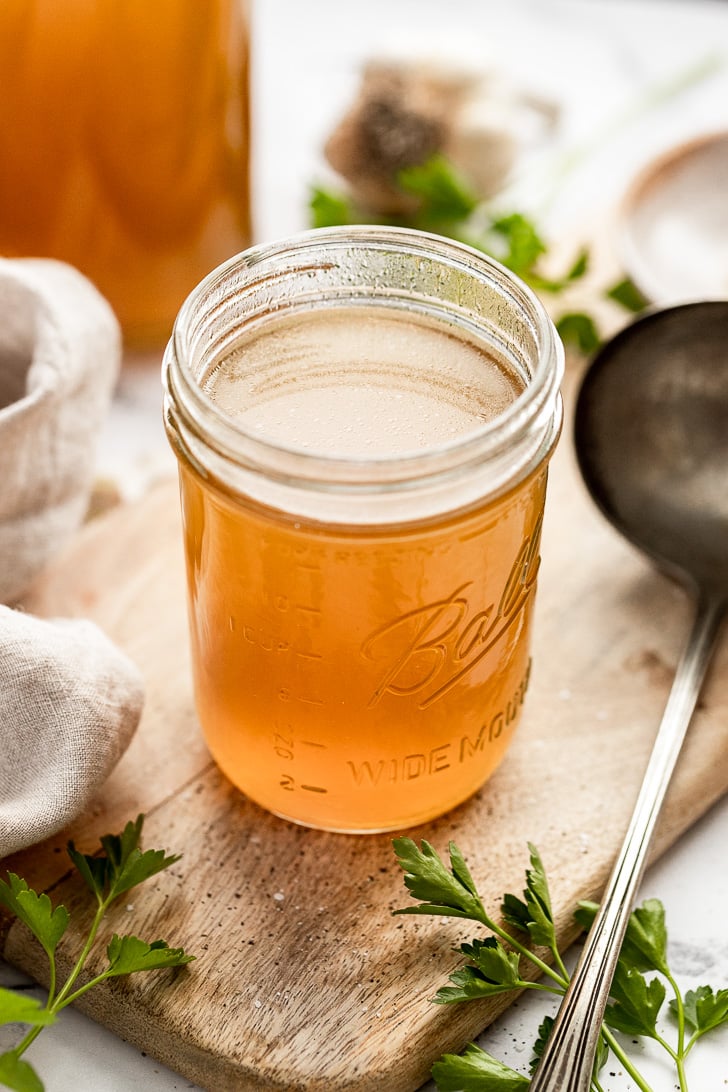
In a world increasingly conscious of food waste and the desire for wholesome, natural ingredients, there's a simple kitchen alchemy that stands out: crafting your own rich, flavorful homemade vegetable stock. Far more than just a liquid base for your cooking, this culinary gem is a testament to resourcefulness, sustainability, and a deeper appreciation for flavor. Imagine transforming what would otherwise be discarded into a golden elixir that elevates every dish it touches. This article will guide you through the effortless process of making superior homemade vegetable stock, turning everyday kitchen scraps into liquid gold that not only tastes incredible but also helps you reduce waste and boost your meals' natural goodness.
Why Homemade Vegetable Stock is Your Kitchen's Secret Weapon
The allure of making your own homemade vegetable stock goes far beyond mere economy. While it certainly helps reduce your grocery bill and maximize the value of your produce, its true power lies in its unparalleled flavor and the control it gives you over what goes into your food. Here’s why it’s a game-changer:
- Unrivaled Flavor Depth: Store-bought stocks often contain a flat, one-dimensional taste, along with high sodium levels and artificial flavors. Homemade stock, especially when built from a diverse array of fresh vegetable scraps and aromatics, develops a nuanced, complex flavor profile that simply can’t be replicated by commercial alternatives. It's the foundation upon which truly memorable soups, stews, risottos, and sauces are built.
- Waste Reduction & Sustainability: This is perhaps the most compelling reason for many home cooks. Every time you chop an onion, peel a carrot, or trim celery, you’re left with scraps. Instead of relegating these to the compost bin (though composting is great too!), collecting them for stock transforms potential waste into a valuable ingredient. It’s a tangible way to practice zero-waste cooking and make your kitchen more sustainable.
- Complete Ingredient Control: When you make stock at home, you dictate every ingredient. This means no excessive salt, no preservatives, no artificial colors or flavors. It's an ideal option for those managing sodium intake, catering to specific dietary needs (like vegan or gluten-free), or simply preferring clean eating.
- Cost-Effective: While not the primary driver for flavor enthusiasts, the economic benefit is undeniable. You're getting a premium cooking ingredient for the cost of what you'd typically throw away, plus a few inexpensive aromatics.
Stock vs. Broth: A Quick Clarification
While often used interchangeably, there's a subtle technical difference between stock and broth. Traditionally, stock is made by simmering bones (for meat stocks) or tougher vegetable parts for a longer period, often resulting in a richer body due to gelatin (in bone stocks) or concentrated vegetable flavors. Broth, on the other hand, is typically made with more meaty parts, vegetables, and seasonings, often cooked for a shorter time and intended to be consumed on its own. For vegetable-based liquids, the terms are practically synonymous in most home kitchens, but our focus here is on creating a deeply flavored, versatile base for cooking, leaning into the robust qualities of a true stock.
Collecting Your Culinary Treasures: What Scraps to Use (and What to Skip)
The beauty of homemade vegetable stock lies in its flexibility. You can use an astonishing variety of vegetable scraps, building a unique flavor profile with each batch. The key is knowing which scraps lend desirable flavors and which might detract. Transform Veggie Scraps into Flavorful Homemade Stock with these guidelines:
The "Yes" List: Flavor Builders
These are your go-to scraps, rich in aromatics and savory notes:
- Onion Peels & Ends: All colors work, though yellow or white will yield a lighter, golden stock. Red/purple skins will darken it, but the flavor remains excellent.
- Garlic Skins & Ends: Add a subtle, savory depth.
- Carrot Peels & Ends: Contribute a natural sweetness and lovely color.
- Celery Ends & Leaves: A classic aromatic, adding freshness and balance.
- Mushroom Stems: Absolutely essential for an umami-rich stock. Don't underestimate their power to add savory depth!
- Herb Stems: Parsley, cilantro, rosemary, thyme, oregano – their woody stems are packed with flavor.
- Broccoli Stalks: Chop them up to release their gentle, earthy notes.
- Bell Pepper Cores & Tops: Add a touch of sweetness and subtle pepperiness.
- Fennel Tops & Stems: Impart a delicate, anise-like sweetness.
- Corn Cobs: After you've enjoyed the kernels, simmer the cobs for a surprisingly sweet, summery flavor.
- Tomato Stems & Ends: A small amount can add a pleasant acidity and depth, especially for a stock destined for tomato-based sauces.
- Hardy Green Stems: Kale, chard, collard greens – their fibrous stems can contribute earthy notes.
Collection Strategy: As you prepare meals throughout the week, simply toss your usable scraps into a large freezer-safe bag or container. Once it's about half to two-thirds full (roughly 1-2 pints), you’re ready to make a batch of stock!
The "No" List: What to Avoid
Some vegetables, while delicious on their own, don't play nice in a stockpot:
- Cruciferous Vegetables (Cabbage, Brussels Sprouts, Cauliflower): These can produce strong, sulfuric aromas and flavors that easily overpower your stock, making it bitter or unpleasant.
- Potatoes & Zucchini: High water content in potatoes can make your stock cloudy and starchy. Zucchini offers little flavor and can make the stock watery.
- Beet Peels/Stems: Unless you specifically want a vibrant pink or red stock, avoid beets as they will strongly color your liquid.
- Spoiled or Moldy Scraps: While tired or slightly soft vegetables are fine, anything moldy or rotten will impart off-flavors and potentially harmful bacteria. When in doubt, toss it out.
The Simple Art of Simmering: Crafting Your Golden Elixir
Making homemade vegetable stock is remarkably straightforward. It’s less about precise measurements and more about gentle extraction of flavors. Best Veggies & Tips for Rich Homemade Vegetable Stock, ensuring a delicious result every time.
- Gather Your Scraps: Empty your freezer bag of accumulated vegetable scraps into a large stockpot or Dutch oven.
- Add Water: Cover the vegetable scraps with cold water. A good rule of thumb is to add just enough water to submerges them by about an inch. Resist the urge to overfill, as too much water will dilute your stock’s flavor. For roughly 1-2 pints of scraps, 5-6 cups of water is a good starting point.
- Boost the Flavor (Optional but Recommended): This is where you can truly elevate your stock.
- Add 2-3 bay leaves for a classic, subtle aroma.
- Toss in 5-7 whole black peppercorns for a gentle warmth and complexity.
- Consider a pinch of salt. However, if you plan to reduce the stock later or use it in recipes that already contain salt, it’s often best to omit it here to avoid over-salting your final dish.
- For an incredible umami boost (and if you're not making a strictly vegan stock), a discarded Parmesan cheese rind is a fantastic addition. It melts away, leaving a salty, nutty richness that enhances the stock's body and depth.
- A sprig of fresh thyme or rosemary can add an extra layer of herbaceousness.
- Simmer Gently: Bring the pot to a gentle simmer over medium heat. Once simmering, reduce the heat to low, cover partially, and let it cook for at least 1.5 to 2 hours. You’ll know it’s ready when the liquid has taken on a rich, golden color (depending on your onion choice) and your kitchen is filled with a wonderful aroma. The longer it simmers (up to 3-4 hours), the deeper the flavor will be.
- Cool & Strain: Let the stock cool slightly in the pot. This allows the flavors to continue to meld. Then, carefully remove the larger vegetable pieces with tongs or a slotted spoon. Pour the remaining liquid through a fine-mesh sieve or colander lined with cheesecloth into a clean bowl or container. Press down on the solids gently to extract any remaining liquid, but avoid mashing them vigorously, which can lead to a cloudy stock.
Tips for the Best Homemade Vegetable Stock Every Time
Achieving consistently excellent homemade vegetable stock is easy with a few insider tricks:
- Roast Your Scraps First: For an even deeper, more complex, and darker colored stock, consider spreading your vegetable scraps on a baking sheet and roasting them at 400°F (200°C) for 20-30 minutes until slightly caramelized before simmering. This intensifies their flavors significantly.
- Mind the Onion Color: As mentioned, red or purple onion skins will result in a darker stock. If you prefer a lighter, clear golden stock, stick to yellow or white onion peels. The flavor impact is minimal, so it's purely an aesthetic choice.
- Don't Overcrowd the Pot: While it's tempting to cram in as many scraps as possible, ensure there's enough room for the water to circulate and extract flavors effectively.
- Gentle Simmer is Key: A rolling boil can lead to a cloudy stock and can over-extract bitter compounds. A gentle, consistent simmer is all you need for optimal flavor extraction.
- Taste and Adjust: Before storage, taste your stock. If you left out salt, now is the time to add a little if you plan to use it immediately. Remember, you can always add more seasoning later in your final dish.
- Cool Quickly & Store Properly: Once strained, allow the stock to cool completely before storing. Speed up the cooling process by placing the pot in an ice bath. Transfer to airtight containers.
Storage Solutions
Your freshly made homemade vegetable stock can be stored in the refrigerator for up to 5-7 days. For longer storage, freezing is your best friend. Freeze it in:
- Pint or Quart Containers: Ideal for recipes requiring larger volumes. Leave about an inch of headspace for expansion.
- Ice Cube Trays: Perfect for small quantities, like deglazing a pan, adding moisture to grains, or boosting a sauce. Once frozen, pop out the cubes and store them in a freezer-safe bag.
Frozen stock will keep beautifully for 4-6 months, ensuring you always have a natural flavor enhancer on hand.
Beyond the Broth Pot: Elevating Your Everyday Cooking
Now that you’ve created your masterpiece, how do you use this liquid gold? The applications for your rich, flavorful homemade vegetable stock are virtually endless:
- Soups & Stews: This is its most obvious and perhaps most impactful use. Transform simple ingredients into hearty, soul-warming meals.
- Risottos & Grains: Use it instead of water when cooking rice, quinoa, farro, or couscous to infuse them with incredible depth.
- Sauces & Gravies: It forms the perfect, clean base for pan sauces, gravies, or reductions, adding complexity without overwhelming.
- Braising Meats & Vegetables: Slow-cook tough cuts of meat or dense vegetables in your stock for tender, flavorful results.
- Steaming & Sautéing: A splash of stock can add moisture and flavor when sautéing vegetables or steaming without oil.
Making your own homemade vegetable stock is more than just a recipe; it's an embrace of sustainable living, a commitment to superior flavor, and a rewarding culinary practice. By transforming humble scraps into a cornerstone of your kitchen, you’ll not only reduce waste but also unlock a new level of richness and depth in all your cooking. So, start collecting those scraps, embrace the gentle simmer, and prepare to elevate your meals with the unparalleled taste of your own liquid gold.
